North Shore News Article by Brent Richter
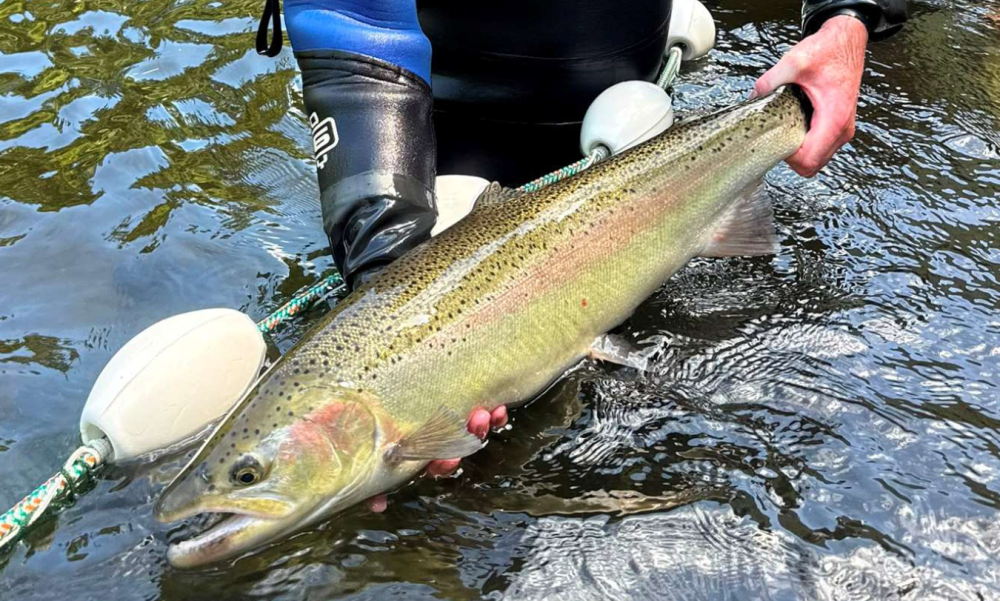
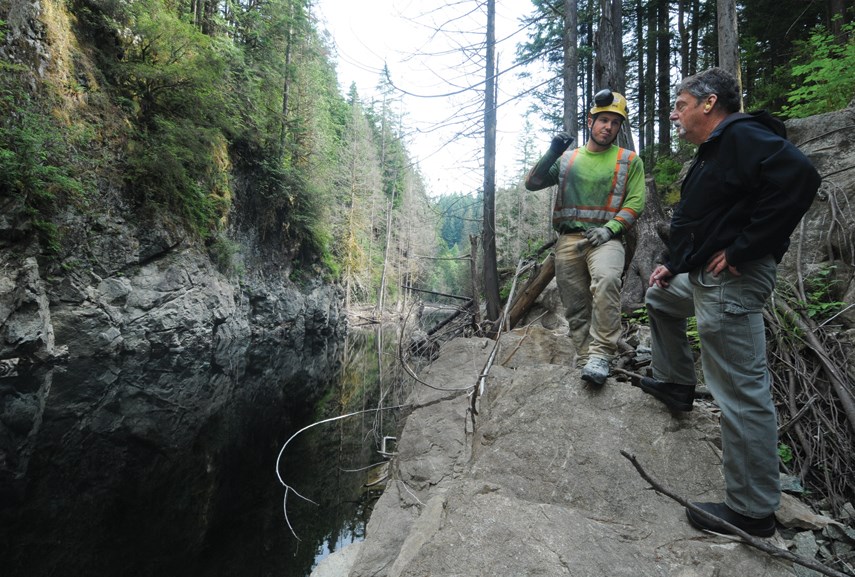
In December 2014, a massive rock slide in the lower canyon of the Seymour River near North Vancouver deposited thousands of cubic metres of debris into the channel, blocking migrating salmon and steelhead from reaching key spawning and rearing habitat upstream. The blockage threatened the river’s unique runs of summer and winter steelhead as well as coho and other salmon species, prompting years of mitigation work by the Seymour Salmonid Society, government agencies and local partners to break up and shift the rock debris and improve passage conditions for fish.
By 2019, five years after the slide, monitoring showed that adult salmonids were once again successfully passing through the previously blocked section of the river under suitable flow conditions, marking a significant milestone in restoring fish access to historic habitat. Continued efforts by volunteers and agencies have supported this recovery, with fish now able to migrate upstream where they had been prevented for years.